
Views: 0 Author: Site Editor Publish Time: 2026-08-06 Origin: Site


Stricter global regulations and rising consumer awareness regarding contact dermatitis have made skin-safe hardware a non-negotiable compliance factor for fashion brands. Metal allergies affect millions of consumers globally every year. This health risk forces apparel creators to rethink their component sourcing strategies entirely. Today's apparel landscape leaves absolutely no room for harmful metals in clothing components.
Sourcing genuine skin-safe fasteners requires looking past surface-level marketing to verify base materials, plating processes, and supplier certifications. You must actively scrutinize factory protocols to prevent dangerous chemical leaching. Our manufacturing experts know exactly how difficult this verification process can be in practice. Many factories promise safety but fail complex chemical audits.
This guide outlines the technical criteria, risk mitigation strategies, and evaluation frameworks needed to confidently source compliant fasteners for your production line. We will walk you through everything from selecting base metals to navigating complex compliance audits. You will learn how to build a reliable, skin-safe supply chain for your brand.
International safety standards strictly govern apparel hardware. The EU REACH directive (Annex XVII) serves as the primary global benchmark. It restricts nickel release rates in any products having direct or prolonged skin contact. The maximum allowed release rate sits at 0.5 micrograms per square centimeter per week. Failing this metric results in immediate customs rejections.
Market entry requirements for North America and Japan carry similar weight. The US Consumer Product Safety Improvement Act (CPSIA) rigorously tests children's wear components. Japan applies the rigorous Law for the Control of Household Products Containing Harmful Substances. Brands cannot legally sell their garments in these major markets without verified testing. Ignoring these frameworks invites costly border seizures.
Consumer trust vanishes quickly when garments cause painful skin reactions. Contact dermatitis triggers immediate negative reviews online. A single product recall destroys years of careful brand building. Recalls cost brands millions in reverse logistics, legal fees, and wasted inventory. You must weigh these massive risks against the minimal incremental cost of compliant hardware.
Upgrading your components requires only fractions of a cent per garment. This small investment proactively protects your brand. We see a massive surge in consumer demand for hypoallergenic snap buttons across all apparel sectors. Shoppers actively seek out these safe closures for everyday wear, intimates, and sensitive infant clothing. Delivering skin-safe products builds long-term customer loyalty.
Base material choice dictates the lifespan of your fasteners. Brass stands as the undisputed industry standard for apparel hardware. It resists oxidation naturally and molds easily into complex shapes. Manufacturers prefer brass for its excellent balance of cost and workability.
Stainless steel offers maximum durability. Grades 304 and 316 resist extreme chemical wear. Stainless steel remains inherently safe for sensitive skin. It serves as the ultimate foundation for heavy-duty rustproof metal snaps used in workwear. However, factories need stronger machinery to stamp steel properly.
Zinc alloy provides a very cost-effective alternative. Many fast-fashion brands rely on it. It requires careful barrier plating to prevent base-metal leaching. Without a thick barrier, zinc alloys corrode quickly under industrial washing conditions.
| Material Type | Molding Difficulty | Corrosion Resistance | Best Garment Application |
|---|---|---|---|
| Standard Brass | Low | High | Denim, Casual Wear, Jackets |
| Stainless Steel (316) | High | Maximum | Workwear, Marine Gear, Medical |
| Zinc Alloy | Low | Moderate | Fast Fashion, Lightweight Accessories |
Modern electroplating completely eliminates dangerous chemicals from the finishing process. Factories now use copper, tin, or white bronze as safe barrier layers. White bronze perfectly mimics the bright silver look of traditional finishes. These non-toxic barriers sit between the raw base metal and the final topcoat.
Eco-friendly finishes require careful evaluation regarding durability. Physical Vapor Deposition (PVD) coating offers incredible scratch resistance. PVD uses a vacuum process that avoids wet chemicals entirely. Traditional electroplating remains much more affordable but requires clear lacquer layers. The lacquer protects the finish from rapid oxidation.
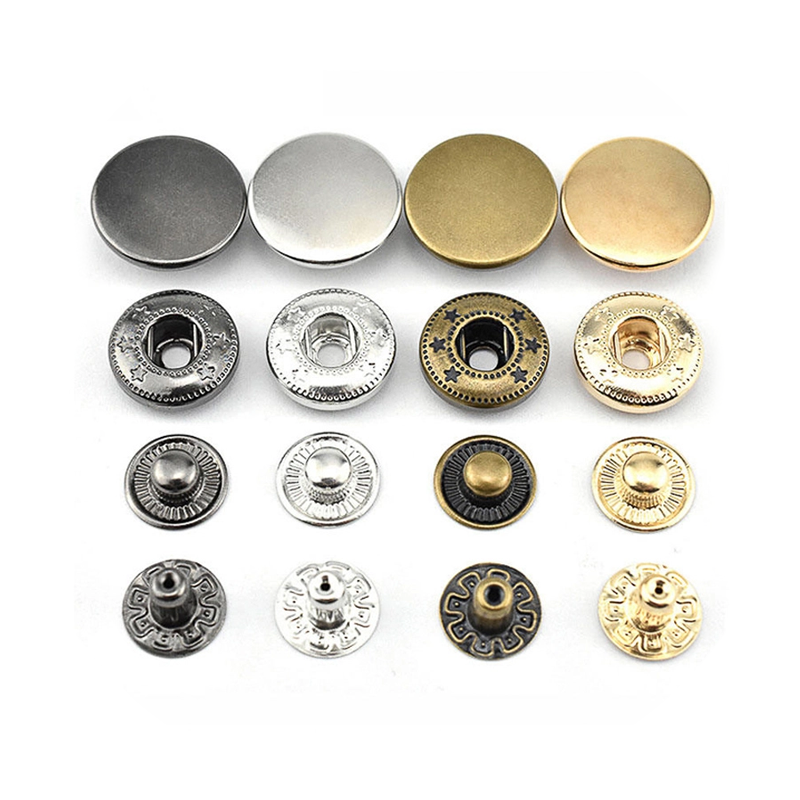
Different textiles demand specific fastener structures. You cannot use a universal approach for all garments.
You cannot accept verbal promises regarding chemical safety. Legitimate manufacturers gladly provide physical proof of compliance. Request a current Oeko-Tex Standard 100 Certificate immediately. You must specify Class I certification if you produce baby articles. Class I carries the strictest chemical limits in the entire textile industry.
Demand recent third-party lab testing reports. Global testing authorities like SGS, TUV, or Intertek provide unbiased results. These reports must specifically validate compliance with the EN 1811 standard. The documents should show exact microgram release rates. Outdated reports from three years ago indicate poor continuous compliance.
A capable garment fastener supplier maintains an advanced internal testing laboratory. Ask them about their salt spray testing protocols. They should subject hardware to 48-hour or 96-hour saline mist environments. This rigorous process verifies their rustproof claims before shipping.
Physical safety matters just as much as chemical safety. Do they perform calibrated pull-tests? A standard children's wear requirement demands fasteners withstand 90 Newtons of force for ten seconds. Snaps that detach easily become lethal choking hazards. You must verify their tension testing machinery during factory audits.
You need absolute visibility into their production workflow. Evaluate their factory capability thoroughly. Ask directly if they handle electroplating in-house or outsource it. Outsourced plating carries a significantly higher risk of cross-contamination. Subcontractors often cut corners by mixing orders in contaminated chemical vats. In-house plating allows the supplier to control every variable tightly.
Brands differentiate their garments through unique hardware details. You can elevate basic closures into distinctive branding elements. Factories offer precision engraving and debossing for your brand logos. You can even request custom enamel filling. The factory will precisely match your specified Pantone colors.
Technical specifications matter more than aesthetics. You must specify custom cap sizes based on the garment's visual balance. Post lengths require precise calculation based on material thickness. A 2oz silk blouse needs a very short post. An 8oz leather belt requires a deeply extended post to prevent crushing the material.
Standardizing expectations keeps your production schedule on track. Developing custom snap buttons involves clear commercial parameters. Typical Minimum Order Quantities (MOQs) vary widely. Stock items often require only 1,000 pieces. Custom molds usually push MOQs to 10,000 pieces or more.
You must budget for initial tooling costs. Creating a custom logo mold costs anywhere from fifty to several hundred dollars. Prototyping adds several weeks to your lead times. Ask the supplier how they guarantee finish matching across bulk orders. Good factories use spectrophotometers to ensure batch one looks identical to batch ten.
Factories producing both standard and skin-safe hardware face major logistical hurdles. They can accidentally contaminate clean vats with residual chemicals. A single rogue component ruins an entire safe batch. You must emphasize the absolute need for isolated batch testing. Dedicated production lines remain the safest way to prevent this dangerous cross-contamination.
Initial testing only tells half the story. Cheaper topcoats often pass day-one inspections easily. However, they wear off rapidly after repeated industrial washing. This degradation exposes the reactive metals hidden beneath the surface. Once exposed, the base metals leach into the wearer's skin. You must demand high-grade lacquer finishes to seal the hardware permanently.
You can systematically eliminate risky suppliers using a strict testing framework. We recommend following these three mandatory evaluation phases before signing any bulk contracts.
Transitioning to skin-safe hardware represents a structural business decision. It requires deep technical alignment between your design team and a certified manufacturing partner. You must prioritize base material quality, verify plating processes, and demand transparent laboratory reports. Cutting corners on component safety always costs more in long-term brand damage.
Take immediate action to secure your supply chain. We urge you to download a comprehensive supplier vetting checklist today. Request a compliance-verified sample pack from a trusted manufacturer. Contact a qualified sales representative to discuss your custom tooling needs and finalize your MOQs.
A: Yes, typically 10-20% higher due to the cost of alternative barrier metals (like white bronze) and stricter quality control protocols. The safe electroplating process requires cleaner vats and expensive clear lacquers. However, this minor increase prevents massive financial losses from compliance-related product recalls.
A: Explain the standard EN 1811 lab test for exact release rates. This requires sending components to facilities like SGS. For quick qualitative factory-floor checks, use the accessible Dimethylglyoxime spot test. You rub a chemical swab on the metal; if it turns pink, the item fails.
A: Not if applied correctly over a high-quality brass or stainless steel base; however, the clear protective lacquer layer is vital for longevity. Zinc alloys lacking a robust topcoat will degrade faster. Proper electroplating guarantees excellent rust resistance even under harsh industrial laundering.
A: Yes, the base metal and structural dimensions determine the die and setting tool, not the chemical makeup of the plating. As long as the cap diameter and post length match your existing machinery, your current pneumatic presses will work perfectly.


