
Views: 0 Author: Site Editor Publish Time: 2026-09-18 Origin: Site


Product designers often face a critical blind spot during hardware development. They specify components based solely on room-temperature performance. This oversight entirely ignores real-world thermal dynamics. Temperature fluctuations directly impact the physical properties of fastening hardware. Extreme conditions alter tensile strength and impact resistance. They also compromise mechanical reliability. These unverified shifts lead directly to unexpected product failures. Selecting the right material is essential for product longevity. Procurement managers and engineers must vet partners carefully. You need a baseline established by comprehensive thermal testing data. Doing so minimizes warranty claims. It also ensures end-user safety under highly demanding physical conditions. Readers will discover how thermal cycling degrades different base materials. We will also explore exact strategies for evaluating environmental performance before initiating mass production.
Ignoring thermal limits creates massive downstream liabilities. Unverified hardware eventually faces real-world climate extremes. When these components fail in the field, RMA (Return Merchandise Authorization) rates spike. High RMA rates drain operational budgets. They also cause severe brand damage. Consumers quickly lose trust in brands selling fragile outdoor or industrial equipment. A shattered plastic fastener on a winter backpack ruins the user experience. A deformed safety harness mechanism creates catastrophic safety liabilities.
You must define what "high performance" actually means for your specific application. Room-temperature load testing means nothing if your product ships to sub-zero climates. Engineers should establish clear thermal operational windows.
Many procurement teams rely on theoretical material data sheets. This presents a massive risk. Raw resin properties differ drastically from actual molded performance. The die-casting or injection-molding process introduces internal stresses. Design geometries create specific weak points. A theoretical plastic might survive -30°C in a lab. However, a fully assembled buckle made from the exact same plastic might snap under minor stress. You must evaluate the finished, molded geometry under thermal stress, rather than relying on raw material metrics alone.
Thermoplastics offer lightweight and versatile fastening solutions. Every polymer behaves differently under thermal stress. Polyoxymethylene (POM), also known as Acetal, remains a highly cost effective buckle for mass market applications. POM offers remarkably stable performance across standard temperature variants. It resists wear and maintains high tensile strength. However, standard POM is vulnerable to extreme sub-zero shattering. It becomes brittle when temperatures drop significantly below freezing.
Nylon presents a different profile. It absorbs environmental moisture. This moisture acts as a plasticizer. In warm environments, moisture makes Nylon incredibly tough. In freezing environments, however, that trapped moisture can freeze. This freezing process stiffens the buckle and reduces impact resistance. ABS provides excellent room-temperature rigidity but softens rapidly under sustained high heat. Heat softens most plastics. This softening directly reduces their maximum load-bearing capacity. Prongs bend easier. Retention lips lose their grip.
Metal hardware provides unmatched raw strength. It reacts to temperature changes through thermal conductivity rather than immediate structural failure. Metals absorb and retain heat very quickly. This high thermal conductivity creates severe usability hazards. A zinc alloy fastener left in direct summer sunlight absorbs massive solar radiation. It becomes a significant burn risk to the end user.
Metals perform exceptionally well regarding structural integrity in cold weather. They do not shatter like basic thermoplastics. However, cold weather introduces mechanical challenges. Moisture from snow or condensation freezes on metal surfaces easily. This ice buildup causes internal mechanisms to freeze solid. Release buttons jam. Spring mechanisms fail to deploy. You must account for moisture interaction when specifying metal for freezing environments.
| Material Type | High-Heat Performance (Up to 60°C) | Sub-Zero Performance (Down to -20°C) | Primary Thermal Risk |
|---|---|---|---|
| Standard POM (Acetal) | Maintains shape; slight tensile reduction. | Becomes brittle; high shatter risk on impact. | Cold weather embrittlement. |
| Modified Nylon | Softens slightly; maintains impact resistance. | Stiffens; moisture content may freeze. | Dimensional changes from moisture/heat. |
| Zinc Alloy | Retains full strength; absorbs extreme heat. | Retains full strength; mechanisms may freeze. | Burn risks from high thermal conductivity. |
| Aluminum | Retains strength; rapid heat absorption. | Excellent structural integrity. | Mechanism icing in wet, freezing conditions. |
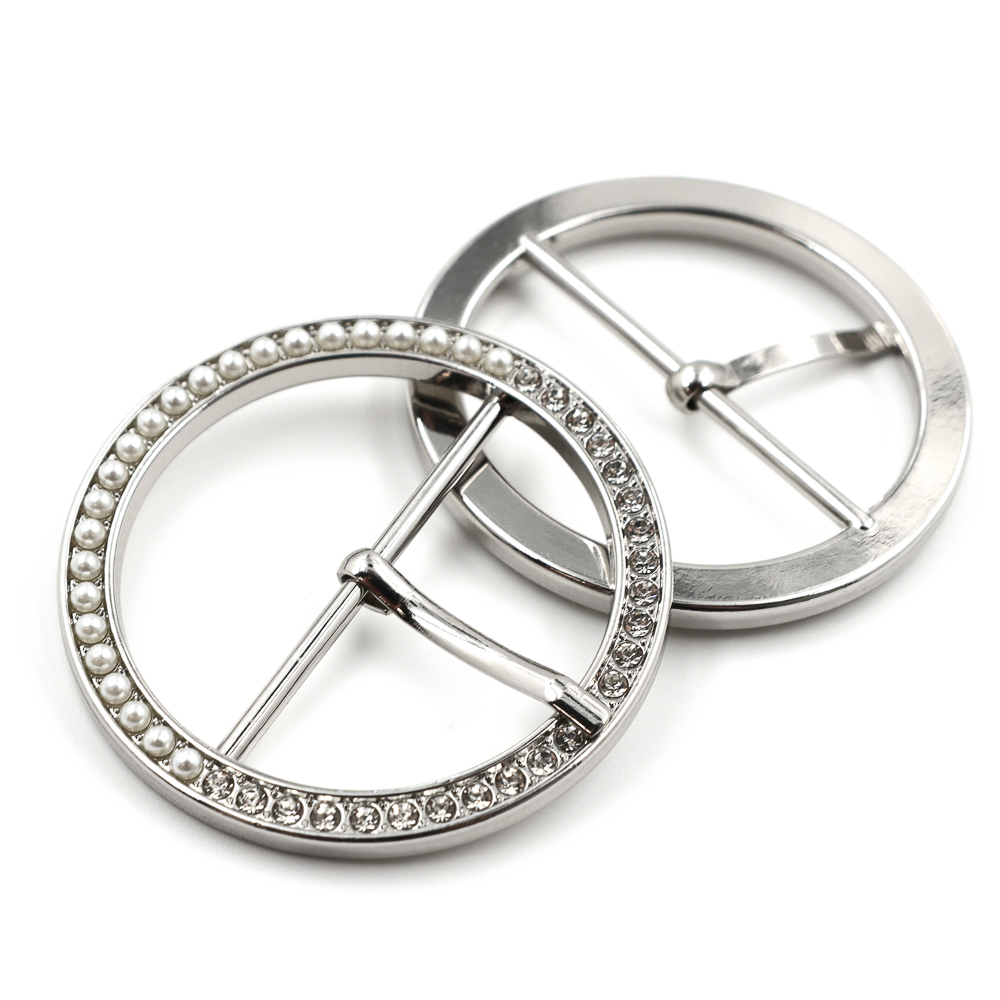
Temperatures below freezing fundamentally alter polymer structures. As temperatures drop below a material's glass transition phase, standard plastics become rigid. The polymer chains lose their mobility. They can no longer flex to absorb kinetic energy. This phenomenon drastically reduces impact strength. A simple drop onto concrete might shatter a frozen plastic housing. You must recognize this embrittlement risk when designing winter gear.
Cold environments cause physical contraction. Every material possesses a unique coefficient of thermal expansion. In hybrid designs, this causes severe issues. Imagine a plastic housing utilizing a stainless steel internal spring. The plastic housing contracts at a much faster rate than the metal spring. This differential shrinkage leads to misalignment. The housing squeezes the internal components. This pressure causes mechanical jamming. Release buttons stick. Prongs fail to engage fully. Users cannot unfasten their equipment.
To prevent these cold-weather failures, you must mandate strict belt buckles specifications. Do not accept generic "winter-ready" claims. Specify exact material requirements. Mandate cold-resistant Nylon blends specifically formulated for low-temperature impact. If using metals, specify cold-forged aluminum to maximize strength while keeping weight down. Require documented drop-tests performed at -20°C. Insist on mechanical cycle testing in frozen, high-moisture environments. Clear specifications form your primary defense against mass-market product failures.
Sustained high temperatures cause materials to expand. Thermoplastics are particularly vulnerable to thermal expansion. When the housing expands, critical tolerances shift. The locking mechanism relies on exact friction coefficients and geometric alignment. Heat warps the retention prongs. It changes how the male and female components interact. This dimensional distortion alters the required insertion force. It also reduces the force required for accidental release. A previously secure mechanism becomes dangerously loose.
Metals present an entirely different high-heat challenge. Specific heat capacity determines how materials store and transfer energy. Metals have lower specific heat capacities than plastics. They heat up much faster. They also transfer that heat to human skin almost instantly. This is known as the "seatbelt effect."
Polymer-based fasteners lose molecular rigidity under sustained heat. The plasticizer compounds become overly flexible. This flexibility directly degrades the break-strength of polymer-based belt buckles. Extended exposure to 50°C environments can reduce load-bearing capacity by up to 30%. Prongs bend outward under heavy tension instead of snapping. This bending causes sudden mechanism failure without any visible material fracture. You must base your safety ratings on hot-environment load tests, not just room-temperature baselines.
Procurement teams often fixate entirely on unit pricing. This short-sighted logic ignores environmental durability. You must evaluate a partner's complete manufacturing capabilities. Assess their quality control infrastructure. Do they possess in-house thermal cycling chambers? Can they simulate humidity alongside temperature changes? A partner lacking environmental testing equipment cannot guarantee reliable field performance.
Never rely on verbal assurances. Demand raw material data sheets (TDS) for every resin utilized. Request formal thermal cycling test reports. These reports should detail mechanical performance before, during, and after extreme temperature exposure. Require ISO compliance certifications covering their testing methodologies. Reputable partners gladly provide this documentation.
Watch out for blanket "all-weather" marketing claims. If a partner claims universal durability without providing specific operating temperature ranges, walk away. Be extremely wary of partners who refuse to share material composition percentages. Another red flag is the inability to provide load-testing data from extreme temperature environments. Vague answers indicate untested products.
Before committing to large production runs, request customized environmental testing samples. Ask a prospective belt buckles supplier to run your specific load requirements through their thermal chambers. Request samples molded from specialized hot and cold weather resins. Test these specific samples in your own intended use cases. This localized validation prevents disastrous large-scale manufacturing errors.
Temperature dynamics directly dictate buckle durability. Extreme environments mercilessly expose weak materials and poor geometric designs. Room-temperature testing provides zero assurance for real-world outdoor applications. Procurement teams must match the base material precisely to the intended climate. You must demand transparent testing data from your manufacturing partners. Prioritize long-term mechanical reliability over marginal upfront cost savings. A slightly cheaper component costs substantially more when it triggers a massive product recall. We strongly encourage buyers to audit their current hardware specifications today. Request comprehensive environmental testing data immediately to secure your next product launch.
A: Metals possess high thermal conductivity and low specific heat capacity. They absorb solar radiation quickly. Metals also transfer stored heat to human skin much faster than plastics do. This rapid energy transfer makes metal components feel significantly hotter, creating potential contact burn hazards.
A: It depends on the polymer. Standard POM (Acetal) begins losing impact resistance around -10°C. Standard ABS becomes brittle near freezing. However, specialized cold-weather nylons and modified polymer blends can withstand -30°C or lower without shattering upon heavy impact.
A: Yes. Repeated expansion and contraction cause mechanical fatigue. This thermal cycling creates micro-fractures in plastic housings. It also weakens internal spring mechanisms in hybrid buckles over time. Continuous environmental shifts degrade long-term tensile strength and mechanical alignment.
A: Focus on a durable, cost-effective thermoplastic like high-grade POM or modified Nylon. Mandate minimum load-bearing tests at both the lowest and highest expected operating temperatures. Ensure your supplier provides certified thermal testing reports validating these specific climatic thresholds.


