
Views: 0 Author: Site Editor Publish Time: 2026-09-30 Origin: Site


Hardware might be the smallest component in your production line. Yet, it frequently triggers the most severe manufacturing delays and cash flow bottlenecks. Every procurement manager knows this pain point intimately. A single missing fastener can halt an entire assembly process. Securing standard or custom closures requires careful planning and foresight. You must constantly balance the carrying costs of excess inventory against the severe risks of stalled production schedules. Minor miscalculations here can easily derail a major seasonal product launch.
This article provides a realistic, actionable framework for your hardware procurement process. You will learn how to accurately calculate lead times and manage minimum order quantities effectively. We will also explore reliable strategies to mitigate supply chain risks. Applying these methods helps you bypass rigid factory constraints. You can achieve smoother manufacturing cycles without ever sacrificing your overall profit margins.
Custom molds and specialized finishes significantly extend lead times compared to standard stock items.
MOQs are primarily driven by raw material minimums and electroplating batch sizes, not just supplier preference.
Strategic forecasting and staggered delivery schedules can help bypass rigid MOQ constraints without sacrificing profit margins.
Evaluating a reliable metal button supplier requires looking past unit price to assess in-house manufacturing capabilities and compliance testing.
Manufacturers often underestimate the financial leverage held by tiny apparel components. You might spend months sourcing premium fabrics and designing intricate patterns. However, failing to secure closures on time instantly neutralizes those early efforts. The financial fallout extends far beyond the mere unit price of the fastener.
A delay in securing a single metal button stalls an entire garment assembly line. Imagine a factory floor filled with thousands of stitched jackets. They sit completely unfinished because the main closure remains in transit. Factories will charge heavy holding fees for storing incomplete goods. Assembly workers sit idle while you still pay their hourly wages. Furthermore, missing your retail delivery window often results in severe chargebacks from department stores. This bottleneck transforms a cheap component into a massive financial liability.
Procurement teams face a constant tug-of-war. You can order high volumes to easily hit factory Minimum Order Quantities (MOQs). This approach secures a lower unit cost. Unfortunately, it also ties up valuable working capital in warehouse inventory. Conversely, you can order frequent small batches. This strategy keeps cash fluid. However, it drastically increases shipping costs and heightens the risk of sudden stockouts. Finding the sweet spot requires analyzing your historical sales data. You must project your seasonal needs accurately.
Defining the optimal sourcing balance means measuring three core metrics. First, assess your required speed to market. Fast fashion demands rapid turnaround times. Second, evaluate the raw component cost. Third, demand reliable quality standards. If you prioritize speed above all else, you often sacrifice finish durability. If you chase the lowest possible price, you invite unpredictable delays. Successful procurement creates a stable equilibrium among these three competing priorities.
Best Practice: Always assign a dollar value to potential production delays. Compare this penalty cost against the price of holding excess inventory. This simple math usually justifies carrying slightly higher stock levels.
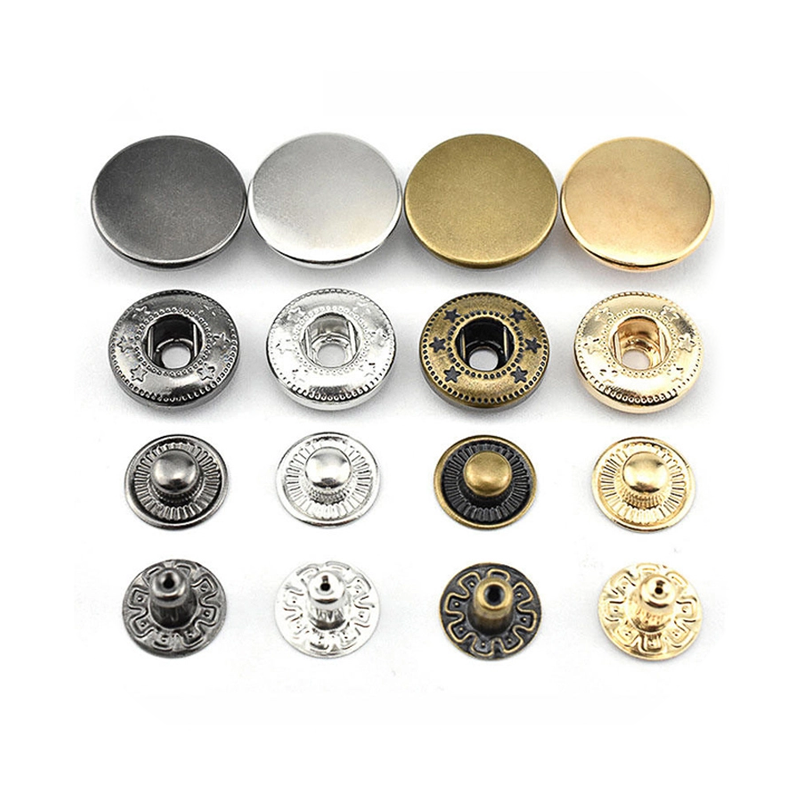
Lead times are rarely arbitrary numbers chosen by a factory. They reflect strict chemical, mechanical, and logistical realities. Understanding these underlying processes helps you forecast realistic delivery dates. It also empowers you to negotiate better terms.
The physical shape of your fastener heavily dictates production speed. Factories maintain vast libraries of existing designs. Custom designs require entirely new engineering phases.
Off-the-shelf: Standard designs typically take 7–15 days. Factories usually hold blank base models in stock. They only need to apply your requested finish before shipping.
Custom Molds: Creating unique logos or shapes demands custom tooling. Die-casting or stamping molds add an average of 10–20 days. This happens before any bulk production even begins. Engineers must cut steel molds using precise CNC machines. They then run test samples for your approval.
Applying color and protective coatings takes considerable time. Metal cannot be painted like wood or plastic. It undergoes complex electrochemical baths. Complex finishes require specific multi-layer electroplating and baking processes. For example, ensuring a nickel free metal snap button rustproof finish involves stringent controls. Factories must apply copper strikes, non-toxic barrier layers, and clear protective topcoats. Each layer must cure properly. These necessary steps routinely extend production by 5–7 days.
Quality control adds mandatory lead time buffers. Skipping these tests guarantees disaster upon arrival. Reputable factories conduct pull-strength tests to ensure prongs hold securely. They perform salt-spray tests to verify rust resistance over time. European markets demand REACH compliance verification for chemical safety. These laboratory processes take physical time. They cannot be rushed without invalidating the results.
Common Mistake: Buyers often calculate lead time based solely on manufacturing days. They completely forget to add 5-7 days for mandatory third-party laboratory testing.
Production Stage | Standard Item Timeline | Custom Item Timeline |
|---|---|---|
CAD Design & Approval | 0 Days (Pre-existing) | 3 - 7 Days |
Mold Creation | 0 Days (Pre-existing) | 10 - 15 Days |
Base Production | 3 - 5 Days | 5 - 10 Days |
Plating & Curing | 4 - 7 Days | 5 - 10 Days |
Compliance Testing | 2 - 3 Days | 3 - 5 Days |
Total Estimated Time | 9 - 15 Days | 26 - 47 Days |
Minimum Order Quantities frustrate nearly every procurement professional. However, they are not arbitrary hurdles designed to annoy buyers. They stem from absolute physical limitations within the manufacturing environment. Learning these limitations gives you powerful leverage during negotiations.
Factory production runs depend heavily on raw material constraints. Suppliers purchase brass, zinc, or copper in massive industrial coils. Material vendors enforce strict minimum weights for these coils. Furthermore, electroplating vats require a specific volume of parts to function. If a vat contains too few items, the electrical current distributes unevenly. This causes severe burning or flaking on the metal surface. Factories enforce MOQs simply to ensure the chemical processes work correctly.
Smart brands bypass MOQ limits through clever internal design choices. You should stop ordering completely different closures for every single garment. Instead, unify your base sizes across multiple product lines. Standardizing metal button specifications allows you to consolidate your purchasing volumes. You can use identical internal molds while only varying the outer logo or finish. Consolidating four small orders into one massive batch easily clears factory minimums. It also drives your unit price down significantly.
When you cannot consolidate designs, you must negotiate creatively. Try proposing split-shipments, commonly known as Blanket Purchase Orders. Under this agreement, the supplier produces the full MOQ upfront. However, they hold the bulk inventory in their warehouse. They ship goods to you in smaller, manageable batches over six months. You pay for shipments as they release.
Alternatively, offer to pay a "Less than Minimum" (LTM) surcharge. Sometimes speed outright outweighs the component cost. Paying an extra $150 LTM setup fee is mathematically wiser than delaying a $50,000 apparel shipment.
Panic ordering destroys product quality. When supply chains break down, buyers often beg factories to rush production. This desperate approach introduces severe risks into your final product. You must implement proactive systems to prevent emergency sourcing.
Rushing lead times usually yields disastrous results. Factories cannot bend the laws of chemistry. To save time, workers might pull items from plating baths too early. They might skip the crucial high-temperature curing ovens. This directly leads to flaking plating. It also guarantees failed rustproof testing upon arrival. A rushed closure will corrode after a single wash cycle. Your brand reputation will suffer immense damage as customers return defective garments.
Eliminate panic by building a resilient inventory buffer. Identify your core "never-out-of-stock" items. These are the staple fasteners you use every single season. You must maintain a rolling 30-day safety buffer for these specific components. Do not treat hardware as just-in-time inventory. The storage footprint for fasteners is incredibly small. The cost of holding a safety buffer is practically zero compared to a delayed assembly line.
Move your team away from reactive ordering habits. You need to align your hardware procurement calendars proactively. Hardware sourcing should begin 60–90 days ahead of primary fabric sourcing. Follow this structured approach to ensure smooth operations:
Finalize hardware tech packs before finalizing seasonal fabric dyes.
Issue blanket POs for raw base materials early in the quarter.
Approve physical strike-offs and lab dips simultaneously.
Release production quantities based on early wholesale orders.
Schedule quality control testing two weeks prior to the target shipping date.
A glossy catalog tells you nothing about factory reliability. You must dig deep into their operational infrastructure. Assessing a vendor properly requires looking far past their initial unit price quotes. You want a long-term manufacturing partner, not just a transactional seller.
Always assess whether the vendor truly controls their own die-casting and plating processes. Many trading companies simply broker deals. Subcontracted plating remains a primary cause of unpredictable lead times. When a factory outsources plating, they lose control of the queue. The plating facility will prioritize their largest clients first. If your order is small, it gets pushed to the back of the line. A reliable metal button supplier maintains fully integrated, in-house machinery.
Trustworthy factories provide highly detailed invoices. They never hide fees in the unit price. A proper quote will clearly separate mold tooling costs, per-unit production costs, and any LTM setup fees upfront. This transparency allows you to calculate exactly how volume increases will reduce your per-unit expenses. If a factory provides a single, vague lump-sum price, consider it a major red flag.
Vetting a new factory requires a strict, methodical approach. Use these steps to audit potential partners:
Request physical samples from their past production runs. Do not just look at digital photos.
Verify the physical weight of the sample. Cheap alloys feel hollow and flimsy.
Test the closure strength repeatedly. Snap it open and closed fifty times to check for spring degradation.
Examine the finish consistency under bright light. Look for uneven pooling or dark spots.
Audit their third-party compliance certificates thoroughly before ever issuing a Purchase Order.
Effective MOQ and lead time planning is an ongoing operational strategy. It is never a one-time calculation. Supply chains constantly fluctuate. Material costs rise, and chemical regulations evolve. You must treat hardware procurement with the same strategic importance as main fabric sourcing.
We advise buyers to conduct a comprehensive audit of their current hardware specifications. Look for immediate opportunities to consolidate designs across your brand. Standardizing base shapes gives you immense leverage against minimum order constraints. It simplifies your inventory and speeds up your entire production cycle.
Take action today to secure your production timeline. Contact our dedicated sourcing team with your latest technical packs. We will provide an accurate lead time and MOQ assessment tailored to your specific project needs.
A: Custom orders generally require 25 to 45 days. This timeframe includes CAD design approval, cutting new steel molds, creating initial physical samples, and executing the bulk production run. Once molds exist, subsequent reorders process much faster.
A: Plating vats require a minimum volume of metal to conduct electricity evenly. Unique chemical setups, like matte black or specialized antique finishes, demand dedicated tank time. Factories must process a minimum batch size to justify mixing these specific chemical solutions.
A: Yes. Re-orders completely eliminate the 10-20 day mold-making phase. The factory already holds your approved design tools. They simply move straight to die-casting and plating, saving weeks on all subsequent production runs.
A: You must explicitly specify anti-rust treatments on your purchase order. Demand a clear protective topcoat. Furthermore, require the factory to pass a standard 48-hour salt-spray test prior to authorizing any bulk shipments.


