
Views: 0 Author: Site Editor Publish Time: 2026-08-28 Origin: Site


Sourcing hardware from fragmented vendors consistently creates severe supply chain friction. You face inconsistent lead times, compounding freight costs, and logistical headaches every single season. Managing separate purchase orders for metal buttons, nylon zippers, and utility buckles scales poorly for mid-to-large apparel runs. While specialized vendors offer niche expertise, relying on dozens of isolated factories complicates production schedules. You need a strategy to transition from a transactional, multi-vendor approach to a consolidated model. Doing this successfully ensures you do not sacrifice trim quality, long-term durability, or your original design intent. In this guide, we will explore the hidden administrative and financial costs of a fragmented sourcing strategy. You will learn the exact core capabilities to look for in a unified manufacturing partner. We will also outline a proven, phased rollout plan to mitigate implementation risks effectively. This ensures your production line remains agile, responsive, and highly efficient.
Tracking purchase orders across multiple vendors multiplies your administrative burden exponentially. Procurement teams waste valuable hours reconciling invoices instead of focusing on strategic vendor development. Paying separate logistics costs for zippers, buttons, and buckles compounds the cost-per-garment. Fragmented apparel trims sourcing masks these expenses behind isolated shipping invoices. It drains margin profitability before the garments even reach the sewing floor.
Dye-to-Match (DTM) standards also vary wildly across different factories. A zipper from Vendor A and a button from Vendor B often result in mismatched finishes. Retail lighting easily exposes these inconsistencies, leading to poor customer perception. Achieving perfect tonal harmony requires a single entity controlling the chemical baths and plating times.
Garment factories cannot begin assembly until all trims arrive on the floor. A delay from a single buckle vendor halts the entire production line. Imagine a denim jacket production run. The denim fabric arrives on time, but the custom brass shanks from Vendor A are stuck in customs. Meanwhile, the heavy-duty zippers from Vendor B arrive with a slightly different brass plating tone. The factory halts production. You face missed delivery windows and expensive retailer chargebacks.
| Sourcing Model | Logistics Complexity | Quality Control Standards | Risk of Production Delays |
|---|---|---|---|
| Multi-Vendor (Fragmented) | High (Multiple POs, dispersed shipping) | Inconsistent (Varying DTM lab calibrations) | High (One missing trim stops production) |
| Single-Partner (Consolidated) | Low (Single PO, pooled freight) | Uniform (Centralized testing and plating) | Low (Synchronized component delivery) |
Evaluate whether the garment accessories supplier is a true multi-category manufacturer. Many companies act merely as localized aggregators. They outsource component production to smaller, unregulated workshops. You must demand genuine manufacturing depth alongside category breadth. A true manufacturer owns their injection molding machines and metal die-casting equipment.
Watch out for suppliers who hesitate to share their sub-tier vendor list. If they refuse a virtual factory tour, they likely outsource their production. A transparent manufacturer proudly showcases their machinery and raw material inventory. Assess their capacity to work across various metals. They must handle brass, copper, and zinc alloy with equal precision. They should also demonstrate expertise in plastics and sustainable materials. Look for proven experience processing recycled PET, organic cotton tapes, and natural corozo.
Consolidation should dramatically accelerate your tech pack development phase. Look for suppliers offering unified digital 3D sampling. They must integrate seamlessly with digital design software. Rapid physical prototyping remains crucial for keeping seasonal collections on schedule. An integrated partner can prototype a molded zipper pull and a matching snap button simultaneously, saving weeks of development time.
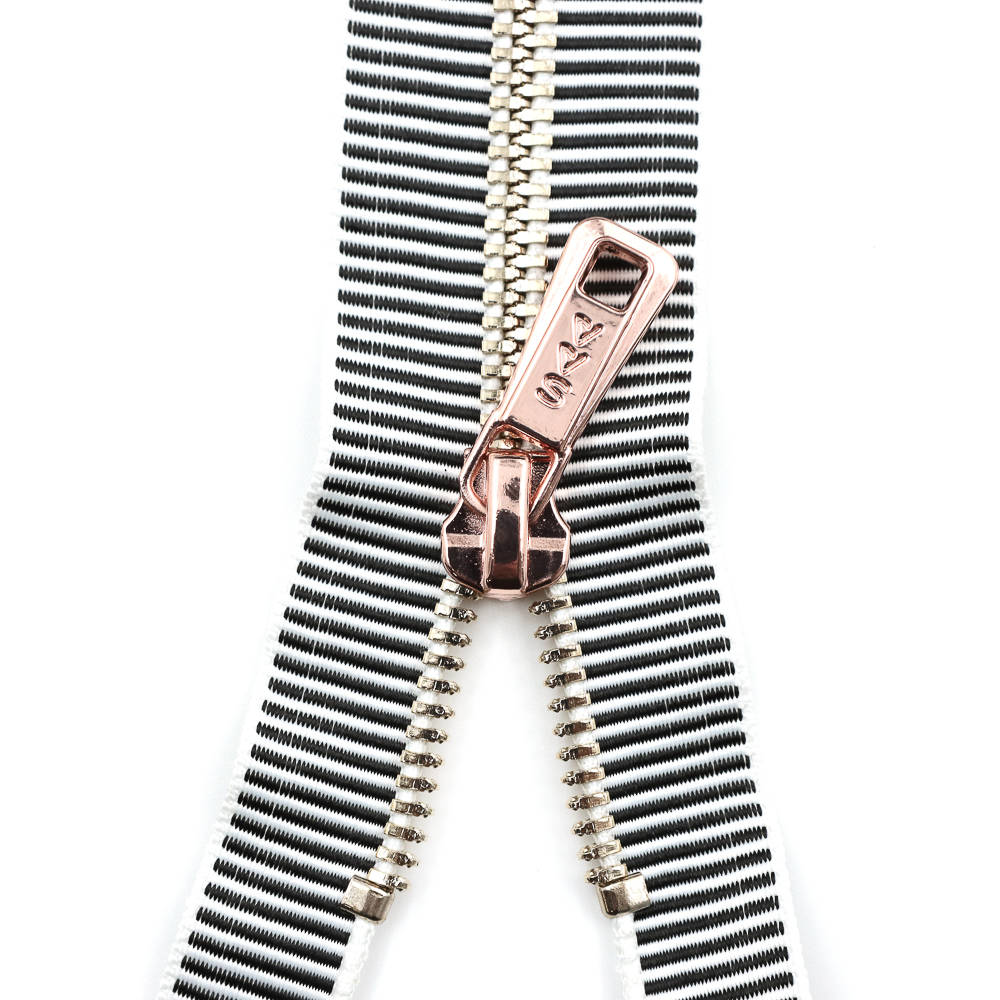
Skeptical buyers often worry about the generalist risk. They wonder if one factory can truly master zipper teeth alignment and snap button tension simultaneously. Specialized vendors spend decades perfecting one specific closure type. You must address this valid concern directly during your vendor evaluation process.
A reliable button and zipper supplier answers this by demonstrating strict integration metrics. Look for a partner operating dedicated, specialized production lines for different hardware types. They should not mix zipper assembly workers with metal stamping operators. These distinct lines must exist under one unified corporate compliance umbrella. This structure provides specialist expertise combined with generalist convenience.
A unified partner natively understands component interactions. They possess cross-functional expertise that isolated vendors lack. They know exactly how a heavy-duty brass zipper interacts with specific snap buttons on rugged workwear. They apply entirely different tension rules and material choices for lightweight closures on activewear. This holistic understanding prevents functional failures in the final garment.
Brands often require bespoke tooling for branded snaps or unique buckle shapes. Developing custom components demands precision engineering and tight tolerances. You must evaluate how the supplier handles custom molds. Ask about their CNC machining capabilities and mold ownership policies. True custom garment accessories elevate the perceived value of your apparel collections.
Common mistakes include approving a 3D digital render without requesting a physical mold sample. Always demand a physical pre-production sample to verify the weight, tactile feel, and function of custom hardware. Next, critically assess the belt buckle manufacturer division of the facility. Buckles require distinct load-bearing tests. They undergo completely different finishing processes compared to standard buttons. Verify their tensile strength testing data. A buckle snapping under pressure creates significant safety liability issues.
Standardizing finishes across all hardware types prevents chemical reactions during garment washing. You must ensure consistent electroplating protocols across the board.
Do not accept self-reported data from any vendor. Factory-issued certificates often obscure true testing results. Require verifiable, third-party Oeko-Tex Standard 100 and REACH compliance documentation. CPSIA certifications remain especially critical for closures used in children's wear. Small parts must pass strict choking hazard tests to ensure total consumer safety.
Standardized testing guarantees product longevity and protects your brand reputation. Establish clear durability metrics before signing any contract.
Modern brands require absolute transparency and traceability. Your supplier must trace raw materials back to their exact origins. If they claim to use recycled metal or plastic, demand the corresponding transaction certificates. This documentation thoroughly supports your brand's sustainability claims. It actively prevents damaging greenwashing accusations from regulators and informed consumers.
| Hardware Component | Critical Durability Metric | Common Compliance Standard |
|---|---|---|
| Zippers | Reciprocating cycle test (slider fatigue) | Oeko-Tex Standard 100 |
| Snap Buttons | Attachment pull-strength test | CPSIA (Small Parts Safety) |
| Belt Buckles | Tensile strength / Load capacity limits | REACH Compliance |
Avoid migrating every trim for every SKU simultaneously. This "all-at-once" trap invites catastrophic production delays. Your supply chain needs time to adjust to new communication flows and delivery schedules. Instead, utilize a highly structured, phased rollout plan.
Phase 1 involves consolidating standardized, low-risk items. Begin with basic snaps, simple drawcords, and standard coil zippers. These items require minimal customization and carry lower developmental risk. They allow you to test the supplier's delivery reliability and communication safely.
Phase 2 focuses on migrating complex, custom-molded items. This includes bespoke belt buckles, specialized waterproof zippers, and laser-engraved alloy buttons. You initiate this phase only after the supplier proves their consistency and quality in Phase 1.
Maintain strict contingency planning throughout the entire transition period. Keep secondary specialized vendors active for 15 to 20 percent of your overall volume. Do this carefully during the first two production cycles. This strategy successfully hedges against unforeseen consolidation delays or sudden quality drops.
Consolidating buttons, zippers, and buckles provides tremendous operational relief for apparel brands. It is less about finding a supplier who casually claims to "do it all." It is more about partnering with a vertically integrated manufacturer. They must firmly control their own internal quality ecosystems. This strategy significantly reduces freight bloat, unifies color standards, and accelerates your prototyping phase.
Advise your procurement teams to take deliberate action immediately. Conduct a historical audit of trim-related delays over the past 12 months. Calculate the hidden freight costs incurred from managing fragmented vendors. Next, request a consolidated prototype run from a shortlisted, vertically integrated supplier. Test their DTM capabilities and durability metrics firsthand. Taking these action-oriented steps ensures a smoother, more resilient, and highly profitable supply chain.
A: Consolidating often helps brands meet overarching account minimums by pooling spend. Instead of struggling to meet separate MOQs across multiple vendors, you combine your purchasing power. Specific custom molds may still carry individual MOQs, but standardizing materials across collections significantly reduces this administrative burden.
A: Elite suppliers utilize centralized DTM (Dye-to-Match) labs. They rely on advanced spectrophotometer matching rather than the naked eye. This ensures exact color replication across metals, plastics, and fabrics. A unified lab completely eliminates the mismatch risks common when using disjointed factories.
A: Yes, but only if the supplier provides independent, third-party lab testing. They must definitively prove tensile strength and meet specific industry compliance standards. For example, workwear components require verified ISO standards for personal protective equipment (PPE) to guarantee user safety.


