
Views: 0 Author: Site Editor Publish Time: 2025-11-26 Origin: Site


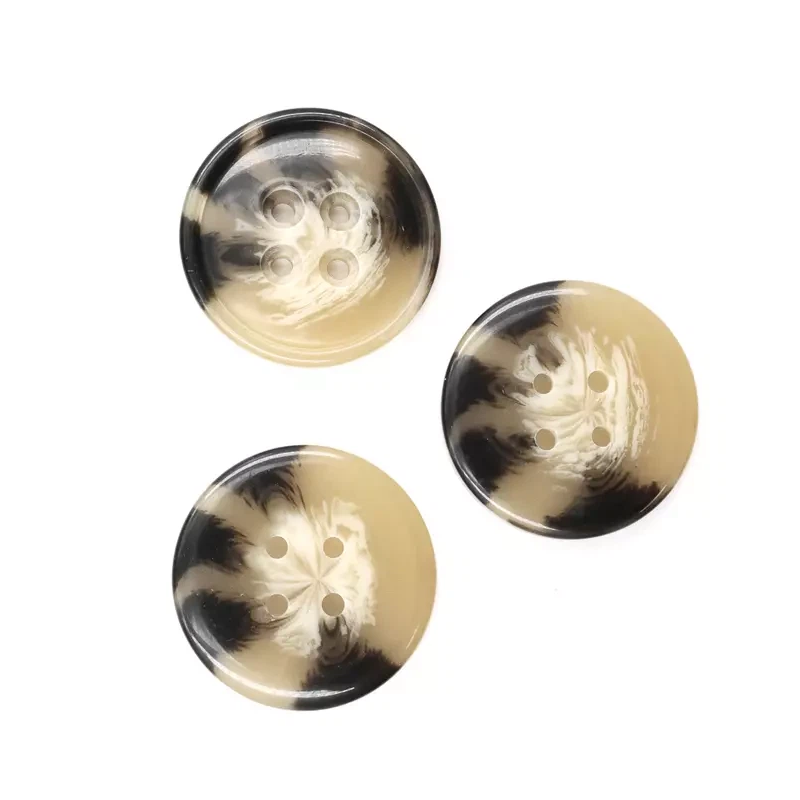
For many apparel brands and designers, Plastic Button products strike the perfect balance between affordability, design flexibility, and durability. Yet, as sustainability becomes a core concern across global fashion supply chains, buyers are asking a critical question — how do plastic buttons impact the environment, and what eco-friendly choices are now available? At Ningbo Fengke Garment Accessories Co., Ltd., we believe understanding material science, production methods, and responsible sourcing is key to making greener garment accessory decisions without compromising quality or performance.
Not all plastics are created equal when it comes to environmental performance. Buttons can be produced from a variety of polymers, each offering different durability, feel, and recyclability profiles. The most common materials for garment buttons include polyester (polyethylene terephthalate, or PET), nylon (polyamide), urea-formaldehyde, and acrylics. Each has its advantages — but also limitations when it comes to eco-management after use.
Polyester buttons are among the most recyclable options. PET, widely used in bottles and textiles, can be repurposed through established recycling streams to produce new resin or fiber. This makes polyester-based buttons an attractive choice for brands pursuing circular design principles. Meanwhile, nylon buttons provide excellent toughness and resistance to heat, but nylon recycling requires specialized processes and is less accessible in many regions.
Urea and amine resins, while giving a beautiful hard finish and excellent heat resistance, are far less eco-friendly. They are thermoset plastics, meaning they cannot be remelted or reprocessed once molded. From an environmental perspective, this limits their recyclability and increases their long-term impact if not properly managed.
Eco-conscious buyers should not hesitate to request documentation to verify recyclability and material safety. Reputable manufacturers such as Ningbo Fengke Garment Accessories Co., Ltd. provide transparency through clear certifications and testing data. Look for material safety data sheets (MSDS), RoHS and REACH compliance reports, and specific recycling information from accredited laboratories. These certifications confirm that materials are free from harmful substances like lead, cadmium, and formaldehyde — and that they can safely enter recycling systems without environmental harm.
By establishing an open dialogue with your supplier about the polymer origin, potential recycling channels, and compliance documents, you help promote a more sustainable procurement process and ensure your final products meet both regulatory and brand-level environmental standards.
Sustainability in the accessories industry is rapidly evolving. Traditional petroleum-based plastics are being replaced or supplemented with innovative alternatives designed to reduce waste and environmental impact. Today’s Plastic Button buyers have more eco-forward options than ever before.
One major advancement is the development of biodegradable plastics derived from renewable resources. Polylactic acid (PLA), for instance, is made from corn starch or sugarcane and can naturally break down under composting conditions. Similarly, bio-based polyesters combine renewable content with the same strength and appearance as conventional plastics, offering a transitional solution that reduces reliance on fossil fuels.
However, these new materials often come with tradeoffs. Biodegradable buttons may have lower heat resistance or reduced lifespan under high humidity compared with traditional resins. Buyers should therefore carefully consider end-use requirements — uniforms and outdoor garments, for example, still demand high mechanical stability.
Another practical eco strategy involves using recycled polymers. Post-consumer or post-industrial plastics can be reprocessed into button-grade resin, giving discarded materials a second life. Modern molding techniques allow for consistent color and finish even with recycled inputs. Additionally, advanced production systems — such as closed-loop water cooling, digital mold optimization, and waste pellet reuse — further cut down energy use and material waste during manufacturing.
At Ningbo Fengke Garment Accessories Co., Ltd., our R&D team continuously tests new sustainable blends that maintain the glossy finish, hardness, and fashion appeal of traditional buttons while reducing virgin plastic usage. These developments reflect our commitment to innovation in responsible production.
Even when using conventional materials, brands can make smart design and purchasing decisions to minimize environmental impact. Sustainable fashion is not only about the material itself — it’s about optimizing every stage of the product lifecycle.
Choosing stock colors from a manufacturer’s existing palette avoids additional dyeing, which saves water and chemical resources. Minimizing unnecessary coatings, plating, or surface treatments reduces volatile organic compound (VOC) emissions and energy consumption during curing processes. Streamlining button SKUs across multiple product lines also helps reduce waste from excess inventory and overproduction.
Sustainability extends beyond product design. Packaging and logistics play a major role in your accessory’s total footprint. Opting for bulk packaging instead of individual polybags significantly cuts plastic use. Paper bands or recycled kraft boxes can replace virgin materials while still ensuring product protection. When requesting samples, consolidating multiple button types in one shipment — or using digital sampling tools — reduces carbon emissions linked to transport.
At Ningbo Fengke Garment Accessories Co., Ltd., we actively support these customer efforts by offering customizable bulk packaging options and lightweight carton designs that lower shipping weight and environmental cost.
Sustainability does not stop once a garment reaches the consumer. Post-use management of accessories like buttons is a growing focus for brands aiming to achieve circular fashion goals. Because buttons are small, they are often overlooked in recycling schemes — but they can and should be part of responsible waste management strategies.
Brands can establish internal reuse systems for unsold or defective garments by removing and reusing the buttons in future collections. This simple step minimizes waste and supports cost efficiency. Another option is to collaborate with specialized recyclers that collect plastic buttons or garment hardware for shredding and reprocessing into secondary materials.
To make buttons easier to recycle, designers should prioritize single-material construction — avoiding metal shanks, decorative inserts, or layered materials that complicate recycling. Keeping button size and shape consistent across collections also increases the likelihood of efficient reprocessing. Clear labeling of resin types (e.g., “PET” or “PA”) directly on packaging or in technical documentation helps recycling centers sort materials correctly.
Ningbo Fengke Garment Accessories Co., Ltd. works closely with global partners to explore scalable reuse and recycling solutions for garment accessories, contributing to a more circular and environmentally responsible fashion industry.
Even the most sustainable product has limited impact if buyers don’t recognize or trust its environmental value. Transparent and accurate communication is essential. Brands should highlight eco initiatives clearly but responsibly across product pages, hangtags, and promotional materials.
Consumers increasingly expect to know where and how materials are sourced. Simple statements such as “Made with 30% recycled polyester” or “Bio-based button from renewable sources” are more credible and effective than vague claims like “eco-friendly” or “green.” Supporting data — such as supplier certificates, life-cycle information, or traceability documentation — reinforces trust and prevents accusations of greenwashing.
Product pages can feature concise sustainability icons or short narratives describing material origin and environmental benefits. Hangtags can mention partnerships with certified suppliers or recycling programs. Storytelling around durability, longevity, and responsible production can help customers feel confident about choosing sustainable buttons without fearing reduced performance or style variety.
At Ningbo Fengke Garment Accessories Co., Ltd., we assist global brands in integrating these communication strategies by providing traceable data and marketing support materials that highlight each button’s sustainable attributes.
As one of China’s leading garment accessory suppliers, Ningbo Fengke Garment Accessories Co., Ltd. provides a wide selection of eco-conscious button solutions. Our sustainable lines include recycled polyester buttons, bio-based resin options, and low-emission production processes that meet international environmental standards. Every batch is traceable and supported by compliance documentation upon request.
Customers can request samples from our sustainable product range to evaluate design fit, appearance, and durability. We also offer OEM customization services, allowing brands to integrate eco materials into their unique fashion identity without compromising creative freedom or delivery reliability. Backed by decades of manufacturing expertise and strong export experience, our company ensures stable quality and consistent delivery timelines for global buyers who value both design excellence and environmental responsibility.
While traditional plastics present environmental challenges, today’s garment accessory industry offers many ways to make plastic button production and use more sustainable. By understanding materials, selecting innovative alternatives, optimizing design, and supporting recycling efforts, brands can dramatically reduce their footprint. Ningbo Fengke Garment Accessories Co., Ltd. is proud to lead this transition with our advanced eco-friendly button solutions and transparent supply chain practices. For more information or to explore our full range of sustainable garment buttons, please contact us to request eco samples and material data.


